

So this is Christmas 🎶
And this year we wanted to go the extra mile to bring the Vampr community – our users and investors alike – an exclusive and timeless gift which will only be available for a limited time only.
We’ve recently partnered with the legends over at MNTRA, who build world-class sounding virtual instruments. Check out the video below to see one of their beautiful looking plugins at work – these guys are trailblazers and pioneers in the space.
This December we’re teaming up to develop an exclusive Vampr branded virtual instrument called FRCTURE.
We won’t spoil all the details just yet on what this instrument will look like or sound like – suffice to say this is one of the coolest projects we’ve ever been involved with and in a couple of weeks time it will be yours to download FOR FREE!
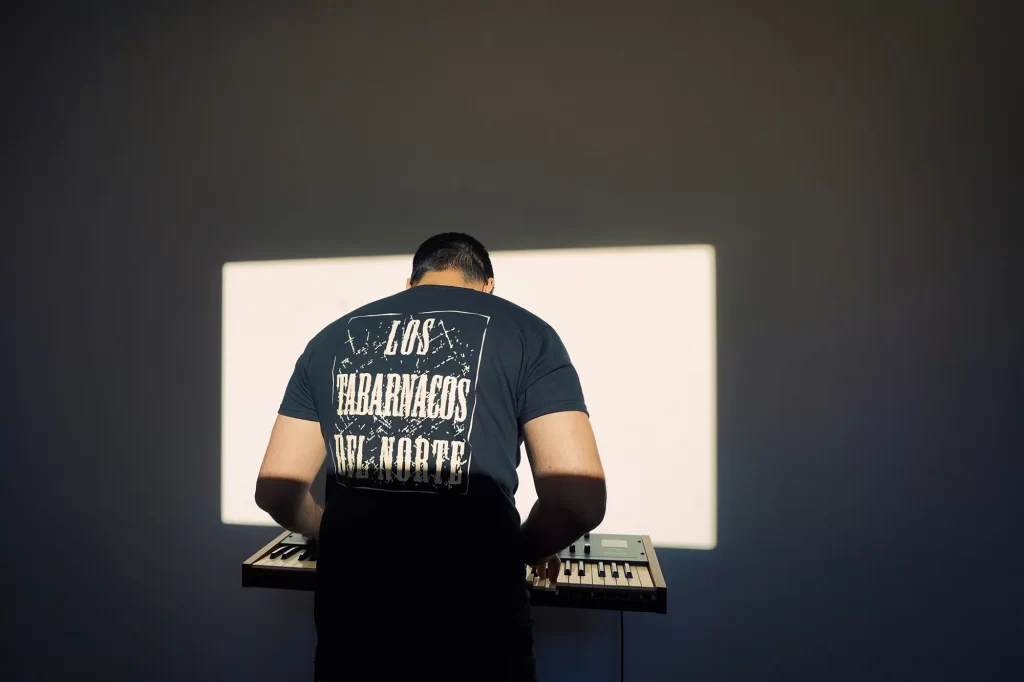
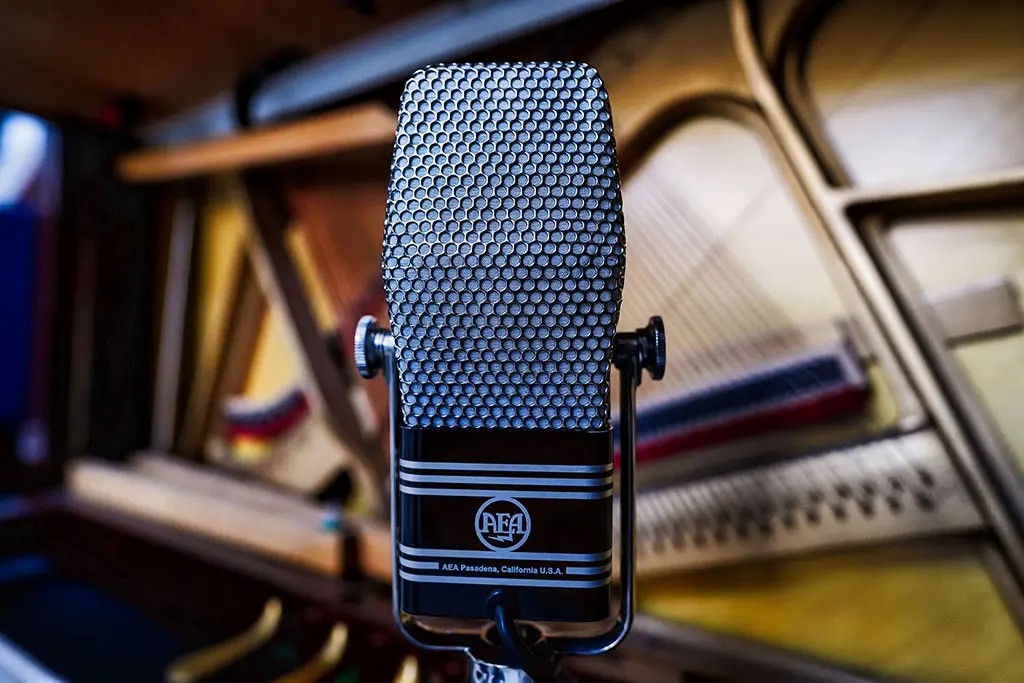
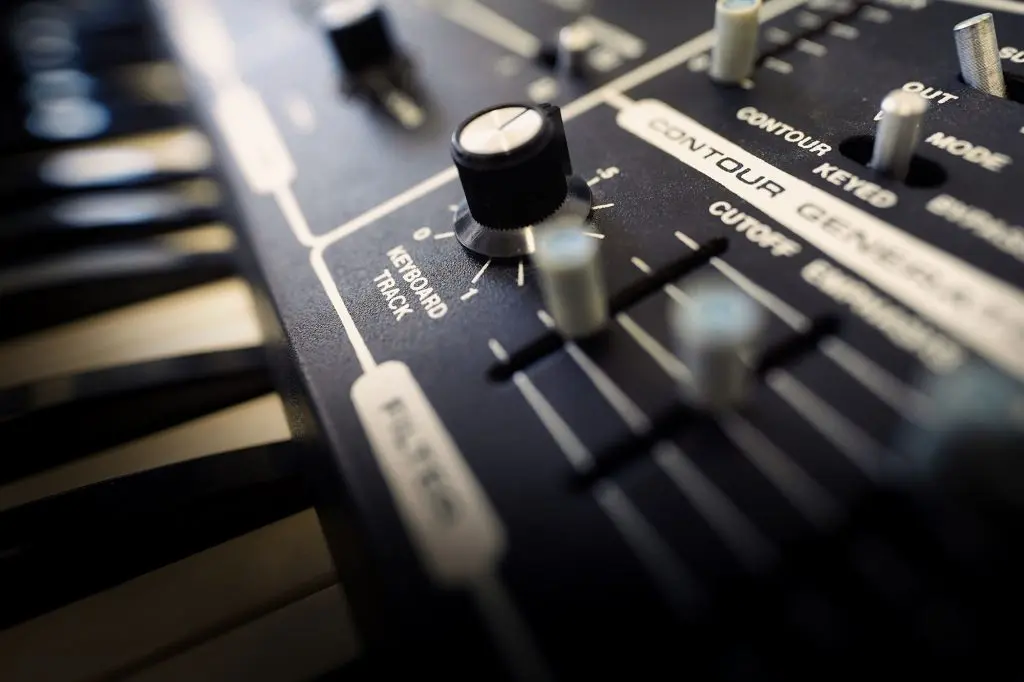
Check out some pictures below of the team recording various analogue sounds to bring you a completely unique sounding instrument, bespoke for the Vampr community.
Stay tuned towards the end of the month for download information and a closer look at this soon-to-be-yours one of a kind instrument.



Itttt’sssss Chrrissssstmassss! Want to make and release a Christmas hit? Want to know the best Christmas song release dates? Read on! 🎄🎶
Christmas is a time considered especially difficult to release music as an independent artist. If it’s not a Christmas song or album you’re releasing, it’s generally recommended not to release in November or December. However, considering Christmas song release dates will be essential if you are releasing Christmas music.
This article will tackle how to release music in the holiday season. Firstly though, it will outline some pointers for how to make Christmas music…
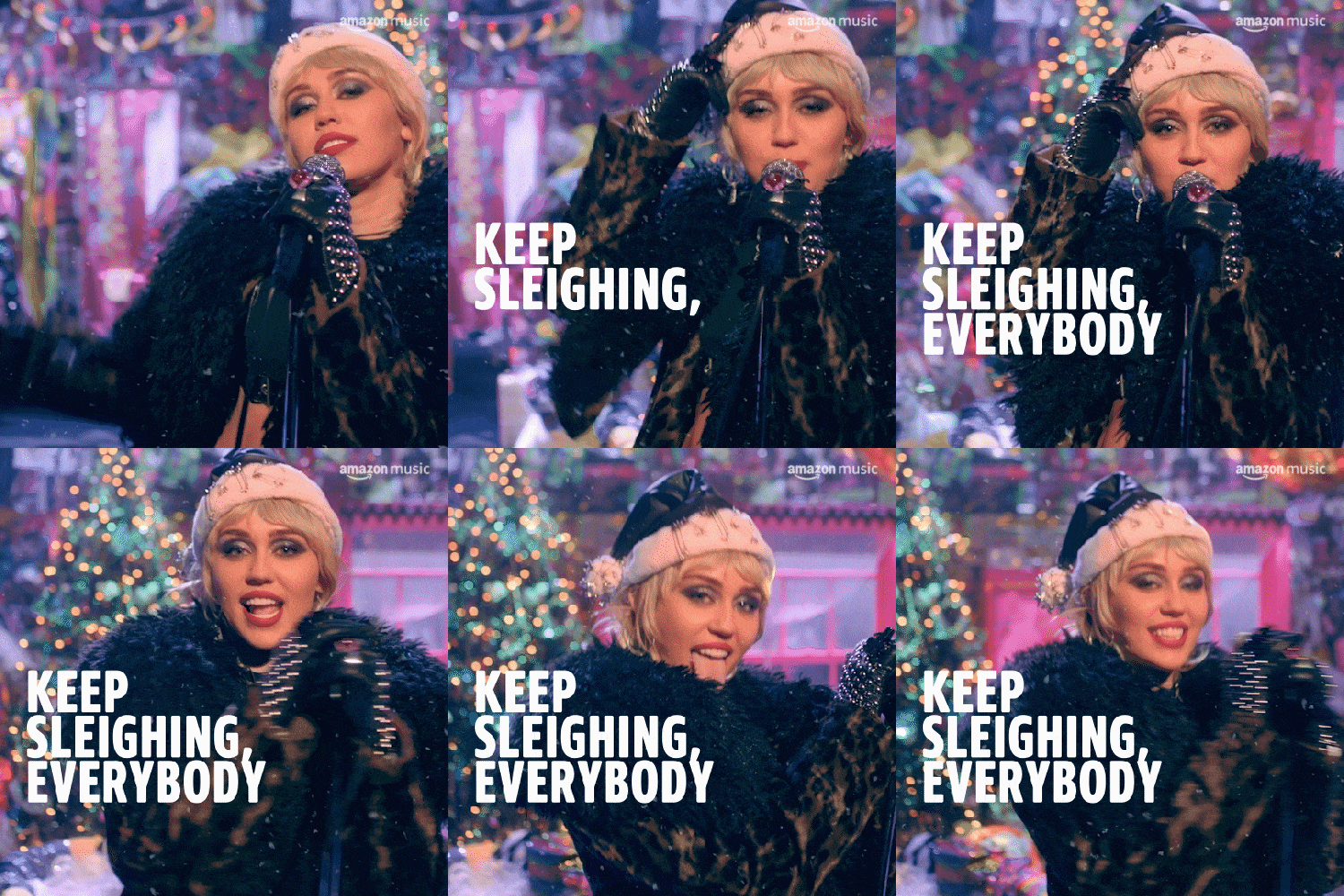
Chuck some sleigh bells on it: what makes a Christmas song?
You’ll want to do some serious Christmas music bingeing to think about what it takes to make a hit Christmas song. Get yourself in the mood by putting on your Santa hat and playing a huge playlist of Christmas songs.
You have a few different options when it comes to making Christmas music:
- Covering famous Christmas songs
- Contacting a publisher or a songwriter to provide a song for you to perform
- Cover a Christmas song in the public domain
- Write your own Christmas song
In any instance, you (and your producer) will need to follow some rules to make a song feel “Christmassy” beyond just the lyrics…
And yes, it does include bells. 🛷🔔
Covering Christmas songs
Approaching Christmas music, it might seem obvious to put your own spin on a tried-and-tested hit.
Advantages of this include:
- The knowledge that the song is good. The song was well-received historically (however, this doesn’t guarantee your version will be)
- You don’t need to write the song
- You might quickly gain attention from the original artist’s fans
Disadvantages of covers include:
- Clearance
- Many of the writers of the original songs were wise, and now own both their masters and publishing. They’ll be highly unlikely to clear covers.
- Royalties are paid to the publisher and writer
- There is listening competition with the original version
Public domain Christmas songs
Christmas songs in the public domain are another choice if you don’t want to write the lyrics/music. You must be really sure they are in the public domain. Otherwise you could end up, at a minimum, having to pull the release, at worst a court case.
Collaboration, Record Labels and Publishing
If you’re a composer who doesn’t write lyrics or sing… Or, if you’re a singer who needs a composer/producer to make a backing track for your Christmas lyrics… You need to find music contacts to work with and make your Christmas hit a reality! 🤶🎶
Alternatively, if you’re in contact with a record label or music publisher you can ask them about their roster. If they have anybody who would be able to help you finish your song, they may connect you. They’ll likely want a piece of the action, but it can often be work it to get your music finished and out there in the world.
If you’re not working with a music publisher, sign up and submit to Vampr Publishing through the app now!
Writing original Christmas music
There are increasing numbers of sad songs being made about Christmas. But generally, Christmas music is going to be lyrically covering topics such as:
- Goodwill
- Joy
- Giving and generosity
- Hope
- Family and friends
- Warmth
- Winter weather and reflective cosiness
- Cheeky romance

There are no rules about what you write your original Christmas song about. However, when you open up your DAW ready to write a song, it is worth considering that generally people are looking for an escape. A period of belief in the sentiment that people are generally good, and hopeful happy endings exist.
You’ll want to wrack up on Christmas words to use in your lyrics. As well as the obvious options like Santa, reindeer, snow and decorations, really get into all of the elements of Christmas. From emotions felt during festive events to wrapping up in coats and scarfs.
Yes, get your bells and sleigh-bells out, plus anything else that may sound Christmassy. Shakers that give the effect of snow can work too!
Once it’s done, you’ll definitely want to submit your song to be considered for sync opportunities.
What are the best Christmas song release dates?
If you’re trying to be ahead of the curve, you probably needed to release Christmas last year 😂
Many people in the industry advise that around August is a good time to start preparing for your Christmas release.
The fact is, if you’re trying to release music for around the Christmas period and you try and outpace the market – you’ll probably end up releasing too early. This may leave your potential listeners feeling like it’s not a good time for them to listen to that music.
You want listeners to be discovering and listening to this music at times when they’re relaxed and trying to find Christmas music. You’ll also want your marketing, promotion and presence to coincide with that.
Having said that, if you want to be in the Christmas spirit when you create the music, you’ll want to be writing and recording in season. That means last Christmas really was the best time to start making the music!
How close should you release music to Christmas?
Traditionally, record labels would release Christmas albums in late October/early November. In past times, stores wouldn’t be open close to Christmas. But now, the internet means people will be still active and in “consumption mode” right up to the day, some people even on the day itself.
And it’s not just Christmas music. Labels tend to hone in on the 4th quarter of the year because of the retail spike associated with sales and Christmas gifts.
The major labels are particularly active in this time. This means bigger marketing budgets are being thrown around. It’s a harder time to compete for attention than the rest of the year.
The fact is though, things have changed since the old industry norms. If you have a following that you feel will be actively online on and around Christmas, the lines are now more blurred. If you know your audience will be watching you at this time of year, give it a shot!
With that in mind, staff at music companies still have time off at the holidays.
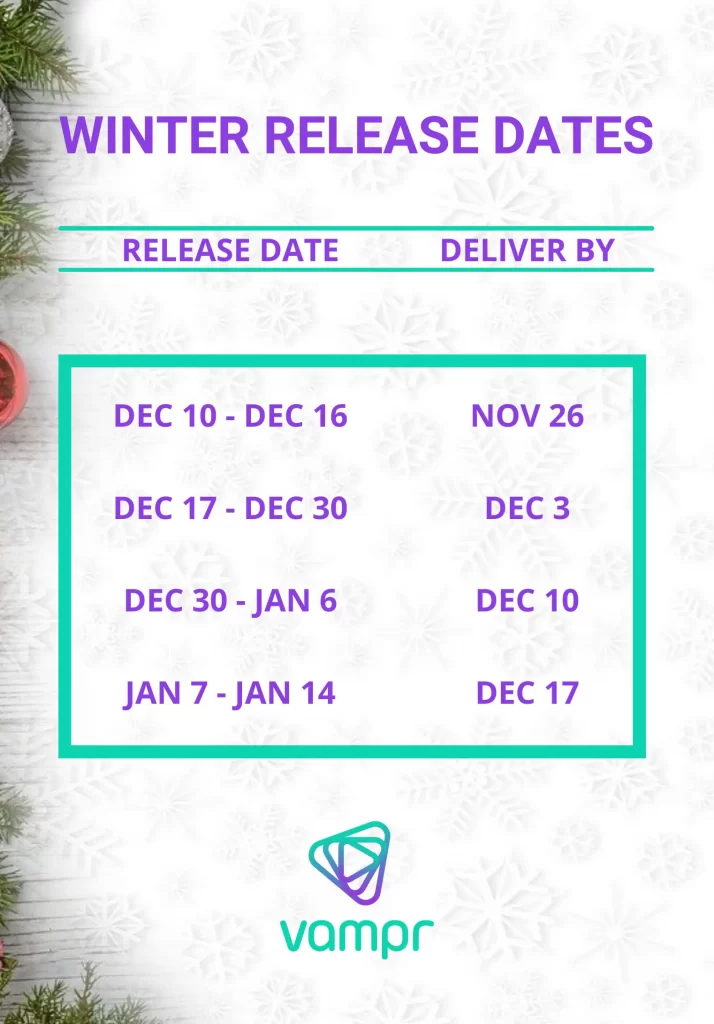
DSPs ask that releases are submitted within specified time windows in order for your music to reach the store in time.
If you want to release your music by the end of the year, please make sure your Christmas song release dates align with the following:
Planning and scheduling a Christmas music release
It’s usually more about the campaign around the release than purchasing time windows these days.
With that in mind, next year you may want to think about planning and scheduling your release campaign earlier in the year.
A promotion campaign for a release is advised to be at least 6 weeks for a single, and at least 3 months for an album.
Releasing with Vampr distribution allows you to set the date of your release well in advance.
Using tools like Hootsuite, you can also schedule your social media content. This will mean it’s ready to go live and support the campaign without you having to panic and rush everything together near to the release.
Of course, you can also post supportive content around the time. People will want to see you doing festive things, so ensure the vibes of your content really fits with the season!
Wishing your happy holidays and a successful release! 🎄
Today we are pleased to announce that Vampr is now offering free music distribution to all our users!
Access Free Music Distribution here!
Here’s how it works:
Regular Vampr users can now send their music to Spotify, Apple Music, Deezer and all leading DSPs free of charge while keeping 80% of their royalties.
Vampr Pro members will have access to the same service but will instead keep 100% of their royalties when it comes time to cash out 💰
We expect this move to be a game changer from a user acquisition standpoint and also opens up a new stream of revenue for the company.
We can’t wait to be the proud distributor of over 1M talented rising stars – here’s to the moon ✨🚀

How to publish a song
Want to publish your music? Keep reading to learn how to publish a song and earn royalties – whether it’s on your own, with your team or to get a publishing deal.
In the digital age of being a DIY artist, many songwriters are asking how to publish a song. This is a valid question. The purpose of a music publisher is continually evolving. It needs to be in an ever-changing technological landscape!
To some extent, artists and songwriters can publish their own music, but – they may find it gets harder as their catalog and network grows.
There’s a growing list of technology platforms using music in new and disruptive ways. Examples such as TikTok, Twitch and gaming platforms like Fortnite and Roblox mean it’s important that music publishing keeps up.

The metaverse will be the next huge disruption to the music industry, but it should bring a lot of “micro sync” royalties. Music continues to become a more algorithmic lean-back experience and so the importance of back catalog management and constant music pitching is becoming even more important.
Changes in the use of music with technology demand new approaches to the publishing business. The music industry must ensure artists and writers are being paid properly for the use of their work.
This can make efficient music publishing tough for an independent artist, even with a team to support them.
Whether you’re looking to cover it alone, with your team, or looking to work with (or get signed by) a bigger publisher, this post will help you understand the ins and outs of music publishing and how you can publish a song.
What does a music publisher do?
A publisher is a person or company that tries to place your music on different markets to find spots for your song or album. That spot can be a TV commercial, a song for a video game, a melody for a movie, a jingle for a radio station and so on.
Additionally, music publishers normally handle all the paperwork to ensure that your song is properly credited to you, so you’re compensated for it.
Music Publishing and copyrights
Music publishing has existed since the beginning of the music industry – way before recorded music. It is the business of generating and collecting royalties for the composition and lyrics of music and it works around the licensing of the publishing right.
All recorded music has 2 associated copyrights: master and publishing rights. These copyrights are licensed to people who want to use the music, in exchange for a license fee or royalty.
Essential reading: all about music licensing.
Royalties received for music publishing include performance royalties. These are granted when your music is played live and when your music is broadcast on radio or television. You also get what’s called mechanical royalties for sales (and streams) of recorded music.
Do I need a publisher to publish my music?
Even though it isn’t strictly necessary, the truth is that having a publisher can be beneficial for your music and allows you to focus on other things.
If you were to do the job of a publisher, you would have to build a contacts list, send emails with music and album links, follow up, fill in all the forms when submitting your songs, and so on. That would leave you with less time to focus on making music.
Additionally, collaborating with a publisher is a great way of networking and can open provide many opportunities for your music.
The difference between music publishing and distribution
People new to the music business often confuse music publishing and music distribution. Let’s better understand their differences.
Music distribution is the business of releasing a recording of music to be bought (and streamed) by listeners and fans. Released music generates master royalties, subject to how many records are sold or streamed.
If you’re looking to get your music on services like Spotify, you need music distribution, not music publishing!
Music publishing, on the other hand, is the business of generating, collecting and managing royalties for musical compositions and lyrics. As mentioned above, it involves 2 types of copyrights (master and publishing) that are collected from television, movies, radio, games, and other sources.
💡👉 Free music distribution here

How to publish a song and earn sync fees
A major area of interest for a musician, songwriter or composer is sync licensing. When your music is used in films, TV, games, adverts and more, the person using the music will have to pay for a sync fee.
Some broadcasters will also have to pay ongoing royalties whenever the show, film or documentary is played to the public.
As there are 2 copyrights in recorded music, the sync license is also made up of 2 licenses: the sync license and the master license. The former would be granted by the publisher of the song, and the master the owner of the recording.
Typically, somebody “pitching” the music will be able to sign off for both the sync and mastering licenses. They could own both rights or have special contracts to act on behalf of the rightsholder. This is known in the industry as “one-stop”. Want to know how to publish a song? One of the easiest ways is to pitch one-stop music.
Read more about how to tag your music as “one-stop”.
How to publish a song for micro syncs
Micro syncs are small payments paid for small usages of music. Examples include YouTube videos with limited viewers and short-run web adverts.
Micro syncs can accumulate and result in bigger payments as the traction of the content picks up.
There’s a growing interest in music publishing towards micro syncs. This is because of the hugely growing “content creator” market.
As these huge tech companies get used to paying for licenses for the use of music, revenues in these areas grow for rights holders.
Music publishers manage the registration of songs and collect royalties from these platforms. But, for the DIY artist managing their own publishing, you could contact content creators directly:
- Do some serious research into content creators who use music like yours.
- Make sure they’re likely going to like the music before they hear it (get evidence they’re into your vibe).
- Look for content creators with a big following. You’ll want creators who are likely to be monetizing their work and have some production budget.
- Find their email address on their website, YouTube channel or socials and ask them how they license music.
Pitching a song for cover versions
With permission from the publishing owner, anybody can record their own version of a song.
Sometimes songwriters (or, more likely, their publishers) pitch songs to labels and artists. The original songwriter takes songwriting credits (and publishing royalties), but not typically the fame.
Additionally, a song being performed and recorded by an artist and becoming associated with that artist doesn’t make it their song.
Music publishers pitch for or accept offers from other artists who want to use the song. When this occurs, it is called a cover version.
Covers can be very valuable. You can use cross-genre or era to create new attractions and audiences for the original song.
New recordings of cover songs also generate new publishing royalties.
Finding work for your music catalog
A lot of the work and business involved with music publishing is about creating and managing relationships.
Music publishers help “work your catalog”. Firstly, this means doing things like pitching a song you write for other artists to perform and, secondly, pitching your music for sync placement opportunities.
Traditionally, publishers would work with composers and songwriters. But now, recording artists and producers are also frequently on a music publisher’s roster. This means that a publisher can always be ready to create work to a brief from:
- Record labels
- Production libraries
- Music supervisors
…and more.
How to publish your own music
If you want to publish your own music, there are some steps you can take to act as your own music publisher in the most basic form.
The first thing you will need to do is sign yourself up with a Performance Rights Organisation (PRO):
What are Performance Rights Organizations (PROs)?
Performance Rights Organisations (PROs), also known as Collection Societies/Agencies, are bodies that exist to:
- Monitor the use of music in their territory and beyond
- Collect royalties for the usage in the form of licenses
- Pay the rightsholders the collected royalties
There are different PROs for different territories. They all come with different costs, processes and effectiveness. Some territories have multiple PROs, so you have to do your research and choose which is best for you.
PROs are typically networked with other PROs so that cross-territory collection can take place. However, the relationships between PROs vary. If you are performing well outside of your own territory, it may be worth signing up with other PROs.
Wikipedia lists the major PROs in each territory
It’s important to sign up as a songwriter to a PRO and register your works, especially if you’re already getting broadcast or live exposure to the public. You can also register as a publisher of your song. Our advice is to do this using a publishing admin partner.
What is publishing admin?
Publishing rights are split into two parts – the songwriter and the publisher. You may have signed up to a PRO as a songwriter, but if you are unpublished you can also register the song to collect publishing royalties.
NOTE: Always make sure you discuss this with your publisher when you take a publishing deal. They will need to re-register the song with them as the publisher, which will require you to remove yourself as the publisher.
You can do this directly with your PRO. But, another way to take full control of all of your publishing royalties is to work with a Publishing Administrator.
Publishing Administrators manage and collect royalties on behalf of a rights holder. They do not claim any rights, and usually just take a small cut of the royalties they manage as payment for their work.
One of the biggest and most easy access to Publishing Admin companies is SongTrust. The advantage of using them over only your PRO is their collection network.
Vampr users get a big discount when they sign up with SongTrust.
Enter VAMPR as the discount code to receive a 20% discount on the one-off registration fee.
If you’re not yet signed up for a PRO, this is probably a cheaper alternative. You don’t need to sign up for a PRO if you’re collecting with SongTrust!

How much does it cost to publish a song?
The cost of publishing a song depends on several factors, including:
- Your location and the cost of registering a song copyright
- The cost of your PRO or publishing admin
- Potentially some software costs, depending on the size of your catalog
- A DISCO or song-pitching subscription
- Cost of services, such as freelancers or agencies, if you want to pitch and work your catalog beyond your own time abilities
- Law fees as you begin to negotiate deals, especially as they grow more complex (potentially with multiple parties)
Can I publish my music for free?
Many services charge you to publish a song, but there are some solutions that are free.
If you want to know how to publish music for free, you should check out a service like Vampr Publishing. It’s free, non-exclusive and the deal is particularly favorable to the artist (65%-35% split in favor of the artist instead of the 50%-50% split that most companies offer). More on this below.
What is co-publishing?
A traditional publishing deal gives a publisher a percentage of the publishing rights. This is sometimes called a co-publishing deal.
Co-publishing deals can be very complex. They can involve:
- Commitments to agreed quantities of work over a term
- Long-term contracts that can hinder freedom to work outside of these commitments
- An average of 50% of all publishing royalties are kept by the publisher
- All royalties, including songwriter royalties, being kept by the publisher until an advance is paid
- Sub-publishing
- Publishing administration
- Placement quotas before works are considered against contractual agreements
The potential benefit of co-publishing is, of course, that advance. This is a lump sum paid to a songwriter or composer upfront.
What is sub-publishing?
Sub-publishing is a partnership with another publisher. They will look after pitching, collection and administration in other territories. Different from a co-publishing deal, sub-publishers act more like overseas agents for their partner’s catalog. They take a cut of the royalties they collect but don’t own any of the rights.
Sub-publishing is very useful because there are lots of overseas royalties that aren’t covered by generic “international” collection agencies. It also gives you a team on the ground who knows the popular artists or is connected with the local film or advert agencies.
How to publish and license a song with Vampr Publishing
Of course, in the digitally-empowered era, the DIY approach can get you a long way.
This is especially true if you work with a partner who brings you opportunities and doesn’t limit you or lock you in.
Whilst working with music publishers or record labels isn’t always the best idea, with Vampr Publishing we’ve taken a different approach.
We’re listening to submissions and accepting music we’d like to be represented as part of our sync catalog. 💿🎧🔥
Rather than following the traditional publishing models, we’ve discovered the magic sauce:
- Unlimited sync pitching to film, tv, games, adverts and podcasts free of charge
- Non-exclusive until we get a sync opportunity (we pitch and a licensed buyer says they’re interested in the song)
- Only a 2-year exclusive publishing contract if we do get a sync opportunity
- Get feedback and input from A&R
- Keep 65% of your royalties – on top of all of your songwriting royalties
- Keep it fun – focus more on the music and less on the business!
If you want to be considered as one of our roster artists and represented for sync – sign up for Publishing and submit some music on the Vampr app now!
Rooms is our biggest innovation yet! It provides users with a whole new way to interact and network.
Chat with like minded people about the things you love the most in a modern approach to the forums of the past 😎
Available today from the App Store and Google Play Store ✌️
We’re a location based social app for musicians. So, it goes without saying… We sometimes want to talk about locations! For this post, guest writer Holly Lucas has covered one of the music industry’s most iconic locations – Las Vegas. 🎰
Guest Post Written by Holly Lucas
Residencies in Las Vegas have been popular attractions since the days of The Rat Pack, Elvis Presley, and Liberace.
The city’s high-level entertainment scene has long offered fun ways for guests to take breaks from the poker tables and slot machines. Therefore, it has naturally become a reliable source of revenue for casinos and musicians alike.
Shifting Sands
For a time in the ’70s and ’80s, people considered the desert city as a retirement home for musicians in decline. Musicians who stopped attracting big-money tours salvaged an income here. Thus, they could leave the limelight gracefully with music jobs in Las Vegas.
However, today’s Vegas could not be any more different from that of decades past.
Las Vegas music job potential now rivals the best music cities in America. It has become a shining beacon both for working musicians and others in the industry.
Las Vegas has seen an uptick in top-quality headliners buoyed by high-profile appearances from A-lister musicians. They rout tours through the city, or engage in long residencies that gross millions. Posters and advertisements are plastered to the sides of skyscrapers. Shows like these attract visitors from around the globe.
There are a few reasons the likes of Beyoncé, Drake, Lady Gaga, and Eminem have all capitalized on this. Firstly, they’ve found opportunities to create once-in-a-lifetime showcases. Secondly, they can earn money while staying in one place, avoiding the headaches and overhead of travel. Lastly, they can also lean on the existing infrastructure and talent pool of Vegas. This results in what are often career-defining shows.
Musicians travelling to Las Vegas, or fortunate to get a booking there, can utilise their free time away from the slots and tables networking. This could be to meet other travelling musicians or locals. To do this, just open your Vampr app on the discovery screen and adjust the location settings to your current location. This might be a chance to get lucky and catch a high rolling Las Vegas music job! 🃏
Lounges and Lobbies
The major casino resorts in Vegas are still best known for their games. Endless streams of guests at slot reels and poker tables provide the bulk of the resorts’ revenue. At the same time, Vegas visitors take breaks amidst their hours-long gaming sessions. These visitors often venture into lobbies, lounges, and bars alongside casinos. Lesser-known artists often play in these and can attract new fans.
It is in the casinos’ interest to make sure these side spaces are entertaining as well. So, it is perhaps not surprising that many of the best poker rooms in Vegas reside mere steps away from bars and other smaller venues. Here, musicians are taking their shots at recognition.
The casinos intentionally place entertainment in “side” or “break” areas alongside their primary gaming offerings. Places like:
- MGM Grand’s Losers Bar
- Rockhouse at the Venetian
- The piano bar at Harrah’s
…and any number of even smaller spots are great places to spot less famous artists or pick up Las Vegas music jobs.
Behind the Scenes
Behind any good event, whether in a lounge or a world-famous arena, there is always a team of unsung heroes working hard.
- Promoters
- Ticket sellers
- Light
- Sound
- Staging crews
There are plenty of people helping shows to get off the ground.
These Las Vegas music jobs are often taxing and can involve long hours. But, it’s these jobs that make Vegas a perfect place to find steady work and settle down in one place.
Networking with music bookers, musicians and other music industry workers in Las Vegas is simple using Vampr.
The Underbelly
It’s not all big budgets and glamor. Like most big cities across the country, there is a thriving alternative music scene in Las Vegas. – Perfect for all the purists out there keen to explore beyond the beaten path. In fact, there is a huge undercurrent of venues where small-to-medium-sized acts can get their time on the stage to woo new fans.
Venues in Vegas like:
- Velveteen Rabbit
- Double Down Saloon
- Backstage Bar & Billiards
…regularly host bands.
Record shops in Vegas like:
- 11th Street Records
- Moondog Records
- Record City
…have enough vinyl to satisfy even the most demanding of collectors.
Particularly in the downtown area, almost any night of the week you can stumble across bars with scrappy young indie, punk, country and folk bands organizing their own gigs and taking their shots at building a fan base. DJs easily find Las Vegas music jobs at hotels and parties. Furthermore, there are plenty of opportunities for other genres of music to be showcased.
Networking
The old saying of “it’s not what you know, it’s who you know” rings true in the music industry. And Las Vegas is undoubtedly a good place for musicians to network. The tables, bars, and dining areas of some of Vegas’s best casinos are busy hives of activity. Musicians can meet people with shared interests and aspirations.
When they’re lucky, they might just meet the right person who can make a difference and launch a career.
All in all, the history and legacy of Vegas combined with its diverse indie scene makes Sin City an exciting destination for people seeking Las Vegas music jobs.
It has become a must-visit destination for hungry musicians and others in the industry.
Written for vampr.me by Holly Lucas