
The webinar has ended, however you can catch the replay here!
Hey everyone,
We have two BIG things to announce today 🥵
First, we are excited to announce that we will be closing the round on Thursday, March 31 🤗
Secondly, this Friday we will be hosting a webinar experience where we will be answering as many of your questions as we can get through 🧑💻
Join us for this in depth investor update and hear from Josh on the current state of the union at Vampr, the path forward, future projections and much much more!
Each year over 900 million musicians – from hobbyists to pros – spend money on developing their skills and yet 97% remain completely undiscovered. Who you know and where you live are still critical to success.
Enter Vampr. With over 1 million users, the platform is the number one social-professional network helping creatives solve their personnel requirements, offering them all their creator tools and services under one roof, and most importantly, providing them with the opportunity to be discovered for their talent.
You /really/ won’t want to miss this one!
You may recall we recently launched Rooms.
To quickly recap, Rooms are spaces where Vampr members can chat about things they share in common.
Due to the overwhelming success of this feature we’re in urgent need of community moderators.
Community moderators will receive the following:
- Exclusive moderator permissions
- Verification badge for your Vampr profile ✔️
- Direct feedback line with the Vampr team to build better rooms and moderation tools
If you’re interested, send us an email to social@vampr.me telling us which artist room you’d like to moderate and why you would be good at it. We’ll be reaching out to successful applicants in the coming weeks.
And don’t forget to join the Investor Army, which launched last week, by heading to https://vampr.me/investor-army-signup/
There are many different avenues to follow when it comes to music promotion. Typically, you should focus the majority of your music promotion efforts on fans and prospective future fans. However, as part of building your online music community, you may find opportunities to promote your music within the music industry as well as beyond it.
There are some good communication skills you can keep in mind and develop when you want to promote your music to people in the music industry. Here’s a full A-Z of them!
A to Z of tips for music promotion in the music industry
A – ASK
The best way to communicate and build rapport with somebody is to ask questions. If you talk AT people and don’t invite them to talk about themselves, your conversation won’t last very long. Asking a question is also an extremely effective way to break the ice.
B – BREAK THE ICE
Breaking the ice is the gateway to a good conversation. But ice-breaking isn’t just about having some canned openers (although these can be helpful as a backup). Use questions, observations, situations and your imagination! On Vampr, this would mean using something mentioned/auditioned on another user’s profile. Or, it could be something they’ve said in a Room. Using the actions of others is a powerful way of opening a conversation.
C – CONVERSATIONAL
Make your interaction about the conversation and about the potential for friendship. When you first open conversation with somebody, you shouldn’t be trying to get something out of them. Your goal should just be to have a good conversation so you have left a good impression for the other person to welcome you in to talk again.
D – DELIBERATION
Whilst you need to be “conversational”, it’s not just about having a conversation for conversation’s sake. Don’t waste people’s time. Only open a conversation with them when you’re ready to talk about something meaningful. Until then, it’s better to “follow” them than connect with them. You can send out that connection and a great deliberate message when you know what you want to talk to this person about.
E – EFFORT
Putting the effort in to know about who you’re talking to, how you can help them and what you find interesting about them is essential to starting a relationship. If you don’t put the effort in, such as with copy & pasting messages, you won’t be rewarded. This also applies to trying to use Vampr for music promotion by pasting your links in Rooms, connection requests and messages. What you receive from the world is relative to the effort you put in.
F – FUN
It’s not all business, business – especially in the music industry. Have fun with people! See them as potential friends, not just as associates you want to exchange something with.
G – GRAMMAR
People are more likely to take you seriously if you take the time to make sure you’re writing in a way that is coherent and readable. Try to avoid shortening words or formatting your message in a weird way. Do this at least until you’ve already made a good impression and already have a solid relationship with the people you’re messaging.
H – HELLO
One fast way to get ignored is just to write “hello”, “hey”, “hello sir”, “sup” etc. Your messages should always carry some intention behind them. Let people know why you want to open a conversation so you give them a hook to work with.
I – INVITATIONS
Invitations to connect should always be supported with a message. And this message should be tailored for that person you’re trying to connect with. People are far more likely to chat with you if you have put some effort into learning something about them, or listening to their music.
J – JOKES
A bit of humour can go a long way to breaking the ice. But keep it clean and don’t make it personal.
K – KINDNESS
Remember to be kind.
L – LISTEN
Listening is the greatest skill in communication. If your goal is to promote your music, it might seem backwards using “listening” as a strategy for music promotion. But, everybody gravitates to a good listener because it’s validating to know somebody is devoting the time to let you express yourself. This is, ultimately, what every musician wants. Start with listening and pretty soon you’ll find that people want to hear about you too.
M – MONEY
Don’t start conversations by talking about money. Opening a conversation saying you’re selling a beat for $100 isn’t an effective way to start a communication. It’s OK and necessary to tell people what your rates are. But wait until you’ve built a bit of a relationship, trust and have an indication of interest first.

N – NOTES
If you really want to put some effort into building a strong network, take notes about people you want to network with and conversations you have. In business, this is called “CRM” (customer relationship management) and it’s an important way of keeping track of who to speak to and when.
O – OWN YOUR RESPONSIBILITY
If a conversation hasn’t gone the way you’d have liked – own the responsibility to try and have a better conversation next time. Sometimes, people are just rude. But other times, there’s something you can learn from the way you approached a conversation you can improve upon next time.
P – PROOFREADING
Taking a second to read your messages a couple of times before pressing the send button will do you big favours, especially publicly!
Q – QUICK
Try not to waffle. Be polite, but sharp and efficient with your messages (until you’ve built a good rapport). Be conscious of other people’s time. Very few people have time to read a huge paragraph from a stranger.
R – RELEVANCE
You’re best off trying to connect with people who share common interests with you. This could be favourite artists or genres. This is much better than just trying to connect with everyone. Keep a relevant network and it’ll be a stronger source of success for you.
S – STOP SPAMMING
Don’t just send your links out expecting people to listen. In a contested world where everybody wants to be heard, you have to earn your listens. Music promotion to a new music industry network requires a very different approach to an engaged fanbase. Start with conversations – lead to links when the conversation allows.
T – TRANSACTIONAL
There’s a lot more value to conversations than sharing links with each other. But generally, if you give somebody value (such as feedback on their music) you’re likely to get something back from them in return down the line. Just don’t expect it or you’ll end up bitter and that’s doing yourself harm you don’t need.
U – USEFULNESS (SHOW VALUE)
Make sure your profile and bio really highlights the things about you that you want people to know about you. Show yourself in a good light. Then, carry that confidence into your conversation. Believe you can bring value to people you interact with – and back it up by doing your research on them so you know where they have gaps you could fill.
V – VAGUENESS
People will never know about you if your profile is pretty empty. Make sure your captions explain your work. And when you converse, tell people about what it is you think is important they should know about you. Make it a point to describe your strengths.
W – WORK ETHIC
Networking can take a lot of work – especially if you’re doing it properly by learning about people who you might not even engage with for a long time. Stick with it though, it’s always worth it! The people you meet along the way become an important part of your life story.
X – XYLOPHONE
Well… We are a music network 😬
Y – YOU BEFORE ME
Z – ZOOM
If you can’t meet in person, get a video call arranged when you both feel comfortable to chat. Putting a face to name and having an actual conversation really helps solidify a strong connection.
It’s the most wonderful time of the year, and in 2021 we’re bringing the holiday spirit with an exclusive plugin, free to download immediately!
Introducing FRCTURE ⚡️
- 8 Instruments
- 50 Presets
- 100% Free
Mind blown 🤯 What next?
Make music happen! Our challenge to Vampr producers, should you choose to accept it, is to share your original FRCTURE compositions with the world, using the hashtag #FRCTURE across your socials. We’ll be re-posting and sharing our favorites throughout the holiday season, with the most popular creators receiving Vampr verified profiles by the 12th day of Christmas 😎
You still with us?!
FRCTURE is a collaboration between Mntra and Vampr, a modern producer’s toolkit made for hip-hop, pop and R&B aficionados.
The team started with a beautifully sampled upright piano, recorded with both state-of-the-art modern ultrasonic mics and vintage ribbon mics, allowing you to create your perfect mix.
We then added pitched and warped versions of those signals to give you additional textures to play with. To round out the palette we recorded two analog synths, giving you a spacious pad and a massive bass, as well as a layer of cassette tape noise to blend with any of the other sounds.
We truly hope you dig this year’s holiday gift and can’t wait to see what you do with it. How do you plan on using the new plugin?
Don’t miss out – this exclusive plugin will be available for 30 days only!
Hey everybody,
We put together the below report to study the influence of Vampr and to see what we could learn about our business model. It’s admittedly a little bit dry, but heck, the findings are super insightful!
You can find the original publication of this study over at our Wefunder campaign page, where there is still time to invest!
Josh
—–
Let’s start with an analogy: just as in the real world where movers and shakers emerge who create success and wealth which benefit others, so too are we seeing a similar phenomena inside the Vampr community.
We wanted to understand the number of people with star power who are shifting the needle inside the Vampr userbase and what that means – namely, the “power laws”. This kind of study is more commonly understood in the investment community.
VC funds follow a power law curve. When a small % of firms capture a large % of industry returns.

In our case, a power law study informs how we might iterate on our business model.
If we knew with certainty that success in the Vampr community was distributed along a textbook power law curve then we could make better informed decisions when it came to designing future products and services.
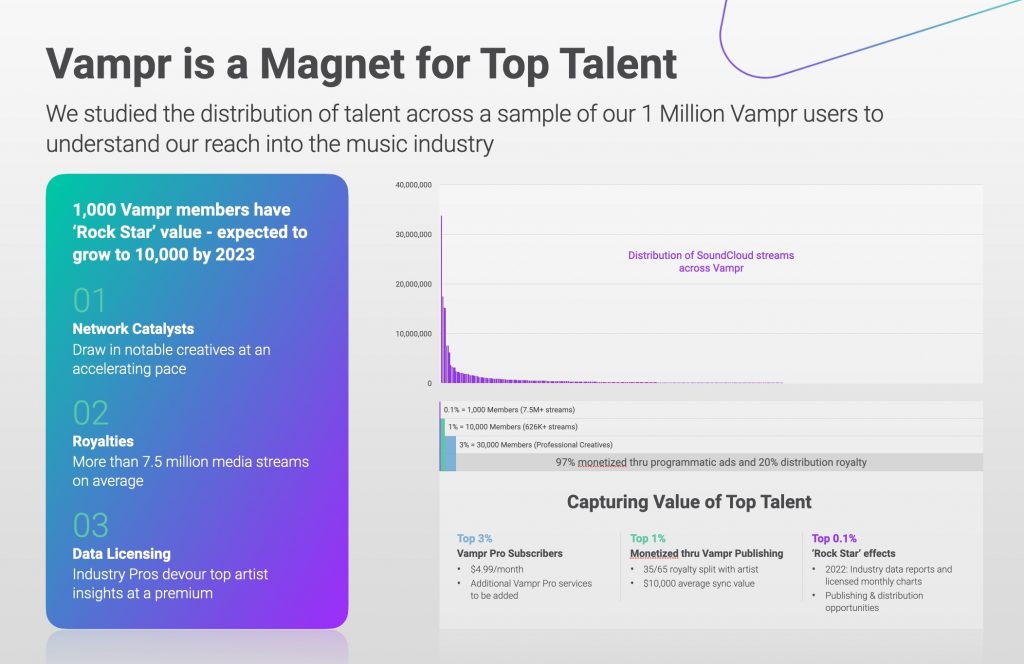
To do this we looked at the total Soundcloud streams from a random sample of 6% of our community. And we were right on the money. Our study of the Vampr community revealed that:
- 0.1% of our users were highly-successful;
- 1% had a respectable audience generating some income;
- 3% were investing in themselves, and;
- 97% were on a journey to upwardly mobilize into these more lucrative categories
What does this mean? Why is it important?
Number One, it shows that Vampr, a genuine grassroots community without any celebrity figurehead thus far, attracts top talent, with 0.1% of our users receiving tens of millions of streams each. In the industry, this is enough to get an artist signed to a major label deal.
Secondly, it shows us that these various community segments – 0.1%, 1%, 3%, 97% – each have unique needs and requirements from a networking service like Vampr. Our existing business model is suited to capture value from each of these segments however our future model is being designed with these insights front of mind.
Take our recent announcement offering distribution for free to the 97% – this is just the first step in using these insights to inform future decision making. And we have some incredibly exciting announcements to make shortly on how we will better serve each segment of our userbase.
Stay tuned ✌️
This post is a collaboration with: PosterMyWall – a free album cover maker
Create a professional album cover in 6 simple steps
Releasing an album is a strenuous, but fun, process!
You’ve created the music, considered music publishing and prepared for release – but you’re still getting started! Finally it’s time to bring all that hard work to fruition and make sure your music reaches the world!
Before you jumping into free music distribution to Spotify and other digital stores, you must create an enticing album cover.
This should not only represent your music, but also appeal to your audience.
Here are some great tips on how to make the perfect album cover for your music.
1. Consider your audience
Whether you’re a Pop artist or Hip Hop rapper, there are different expectations from fans.
When thinking about how to create an album cover, start with some research. Assessing work by your favourite artists is a great first step.
A great piece of album art can help tell an overall story conveyed by an artist.
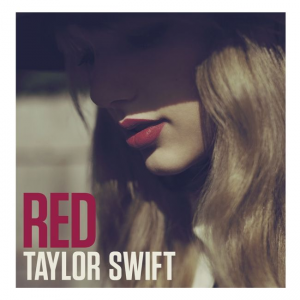
An album cover Hip Hop artists would use (like Drake’s album cover for Nothing Was The Same) would take a different approach to creating an album cover if you were Taylor Swift.
Going beyond “generic” and telling a story (whilst appealing to your target audience) is the way to make your album cover part of your art.
In the examples below, both artworks depict a profile view of each artist. The differences between each are subtle but are the key details that speak to their audience.
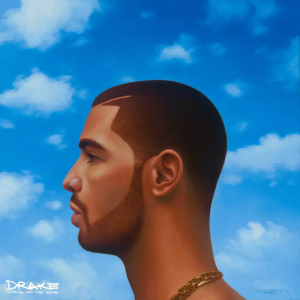
In Drake’s album cover we see the shaving in his haircut, his gold chain and the graffiti font, which are indications to a Hip Hop/RnB audience.
The painted portrait and the blue sky, tell a bit of the album’s story.
In Taylor’s album cover, we see:
- Red lipstick
- Styled wavy hair
- A hat
- A particular font and almost-pastel font colors.
These subtleties speak to a different audience to the Drake album.
The shadow over her face, what she might be looking at and the why? of the art start to tell a story of the album.
2. Select the right colors to represent your music
Bands or musicians typically have a special color palette. Their fans automatically associate these colors with them and their music.
When designing your own album cover, it’s important for you to go for colors that represent both your music and your personality as a musician.
When selecting the perfect color palette for your album cover, ask yourself the following questions:
- How do you want your listeners to feel when they listen to the album?
- What overall vibe do you want the album to portray?
- What colors do people normally associate with you or the genre of music you create?
Once you have the answers to these questions, you’ll be able to create a mood board of colors and create the perfect combination to add to your album cover.
For instance, if you want people to dance and feel happy, use warmer, brighter colors together. If the album is melancholic, use blue or some variation of cooler colors, or go with a single, dark-colored tone.
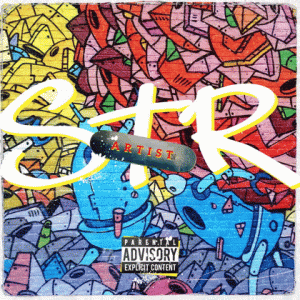
3. Add in some on-brand visuals
The images you add to your album cover will be the most central aspect that people take note of.
To create an album cover that catches people’s attention, you need to place specific focus on the sort of imagery you will be adding to it.
Ideally, the visuals on your album cover should be representative of you as a musician and the kind of music you’re creating for your fans. They should also encompass the image you want to portray to your listeners.
Some artists like to go the old school route and add in their own picture as the primary visual on an album cover. This is especially the case if this is your debut album. Others like to add in a visual that best portrays the sort of music they create.
If your music is more melancholic with a slow beat, go for some minimalistic imagery with a blend of colors. If your music is upbeat and chaotic, go for a maximalist image or a collage that showcases everything you want your listener to feel.
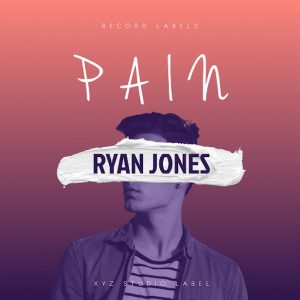
Streaming platforms and stores can be strict about what they display. There are some things to avoid in your album cover design. Avoid:
- Email addresses, websites or social handles
- Pricing
- Cut-off text or images. Or, images that are cropped into a corner with white space
- Any logos besides your artist, label or publisher
- Anything that breaks copyright law
- Blurry imagery
- Explicit content/parental advisory signs
Nudity, violence or illegal activity will also be contested. So, if you want to depict these in a creative way you will have to be really careful and potentially work with your distributor to get this right.
4. Choose a fun font for your album name
Your album name, like everything else, should be presented in a way that best represents what it’s about.
This will be much easier to figure out once you’ve planned out your aesthetic by following the first three tips.
If you’ve made a hip hop album, a loud font would be a good fit. On the other hand, if you’ve made an indie album, a simple sans serif font would do a good job if you want to depict a more sombre vibe. For some softer, feel-good music, try out a nice cursive font.
5. Consider your design on multiple platforms
Once you’re done designing your album cover, the next step is to get it ready to be marketed. This means releasing your album on multiple other platforms, both online and offline.
Your cover will have to be high resolution and look good as a small box in the corner of a screen. At the same time, your cover also needs to work on large vinyl records, CDs, and billboards.
So, before you finalise your album cover, adjust your design style accordingly.
Keep in mind different places your album will be visible and ensure it still stands out. Adjust your design according to different sizes and see if everything is still visible and aesthetically sound.
You can also resize your album cover into social media posts to amp up your online presence and get your followers excited.
6. What is the size of an album cover?
The dimensions for album covers are:
Digital
For digital releases, such as to Spotify or Apple Music, your artwork needs to be at least 1600×1600 pixels. Although, 3000×3000 is recommended.
CD
When it comes to making artwork for print, you must consider the dpi (dots per inch). A higher dpi produces a higher quality image when printed. Therefore, you should work with at least 300dpi.
A CD cover dimension is 4.72×4.72 inches. This in pixels at 300dpi is 1416×1416.
Vinyl
As with CD, vinyl covers must be printed.
At 300dpi, a 12 inch album cover would need to be 3600×3600 pixels.
Final thoughts
Your music deserves to be heard, which is why it’s so important to get the album cover right.
The key takeaway here is to focus on individual elements and make sure each one is perfect.
Online design tools like PosterMyWall’s album cover maker include a lot of fabulous album cover templates. These will help inspire you to get started on your own.
Throughout the designing process, remember to stay true to yourself as an artist. Show people what your brand is like and what your music represents.